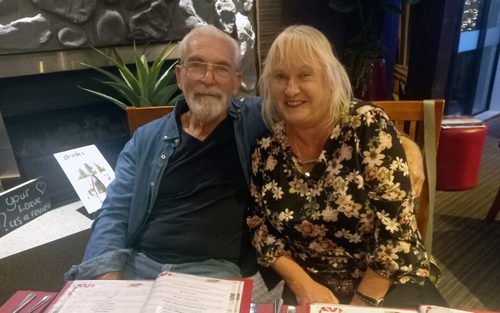


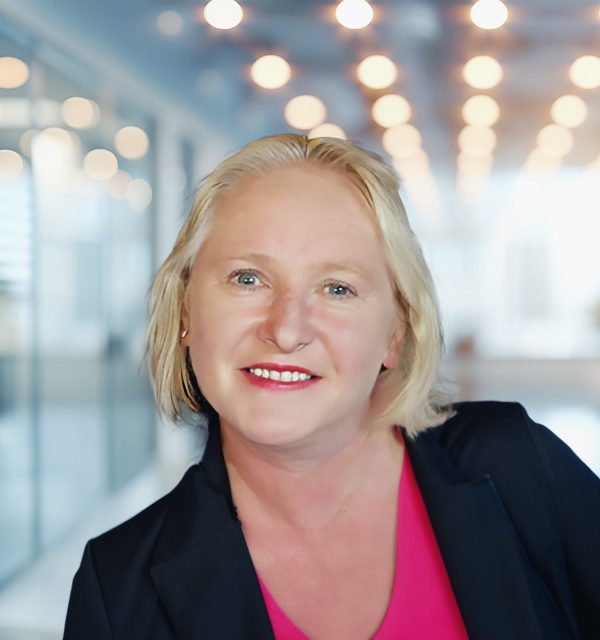
 A keen competition entrant and quizmaster, MaryAnn Hughes is well known for knowing a thing or two about everything! But one thing she knows more about than anything, is how to navigate the shifting sands of the disability sector. Her daughter Bethany was diagnosed Autistic in 2006, at age five. Five years later, MaryAnn joined Parent to Parent as our Regional Coordinator for Southlands.
Tell us about your diagnostic journey
Bethany, my daughter, is 25, and she was diagnosed with ASD when she was five. She was meeting all her milestones, and then when she turned two, she just regressed; withdrew, stopped talking, wasn’t making eye contact.
Because there was a 13-year age gap between her and her sisters, I felt she wasn’t getting connected with little ones her age, so I enrolled her in an early childhood centre a couple of blocks away from us, for a couple of days a week, so she could interact with other children.
After a wee while, the headteacher said, “Oh, we need to talk to you about Bethany. We’re just a bit concerned about her. You know, she’s not meeting her milestones. She’s not interacting with the other children, she just sits in a corner and plays with tiny, minute, little objects.” I guess my husband, Peter, and I thought she’ll be fine. We probably had our heads buried in the sand. But the headteacher said, “I’d like to get the Ministry of Ed in, and have an assessment done.”
Back then, everybody was involved – we had a child psychologist, someone from the Ministry of Ed, someone from the hospital – a well child person, someone else. They arranged for us to go to the to this place where they spent two or three hours observing her. She then got a referral to a paediatrician called Dr Ian Shaw, a very well-respected paediatrician in Southland, everybody loves him. He wants to retire, but he’s so popular he can’t retire! He was really upfront. He suspected Asperger’s, as they called it then, but he didn’t want to diagnose her until she was closer to school age because he wanted to make sure it was the right diagnosis.
She got the diagnosis just before she started school. It’s incredible the support we had back then. Instantly, she got speech therapy. She went to NZ Riding for the Disabled for her fine motor skills. She went to the occupational therapist at school. She was given ORS funding for the first year, and a teacher’s aide after that as well.
There was nothing wrong with her learning. She was very bright but didn’t understand the social side at all. She didn’t have any friends. It broke my heart more than it did hers. Her teacher used to say she would, in her breaks, just walk round the playground on her own in her own little world. But she was happy. I wasn’t happy. I wanted her to have friends.
We moved to the UK when she was eight. My husband’s mother was ill, so we went over to care for her. It was a tough decision because we didn’t know if Bethany would cope or if she would regress; she had been doing really well at school. But we went, and she blossomed. She attended an amazing little school near where we lived; St Joseph’s in Clydach near Swansea in Wales. They were so supportive of her and her peers were lovely. It was a very small, sweet, loving environment, and I couldn’t have asked for better.
I have the best memories of picking her up from there; she’d be out in the playground watching all the squirrels running round and up the trees. That was her thing; we used to give her stuff to feed the squirrels, which she loved. So yeah, she really blossomed over there and grew as a person.
As she’s got older, she has some lovely friendships. She’s been drawn to peers who were like herself, who were classed as different. I think they all just looked after each other.
Tell us about how you started your role at Parent to Parent
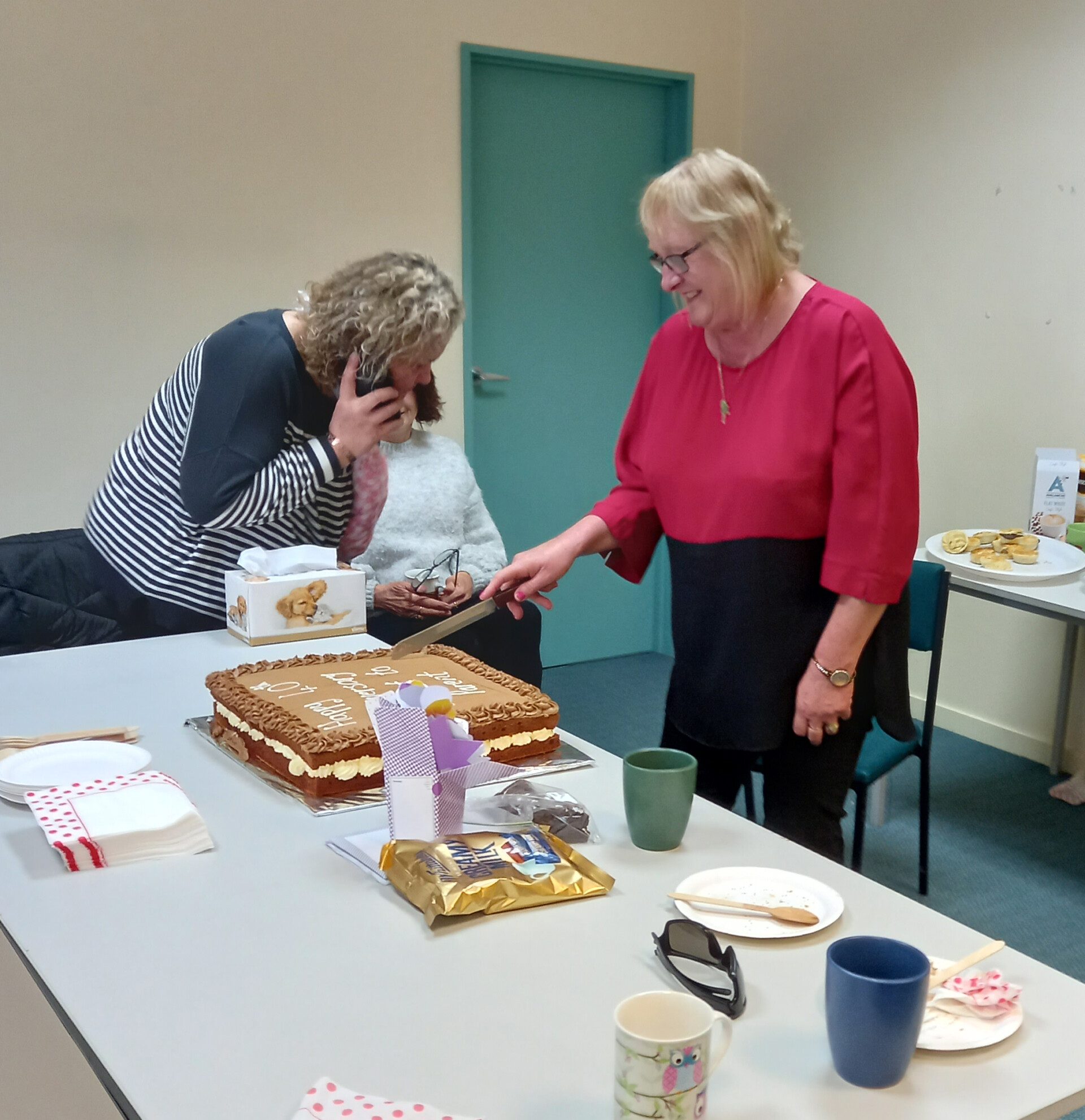
Celebrating the 40th Anniversary of Parent to Parent with her Support Group
My mother-in-law passed two years after we moved to the UK, so Bethany was 10 when we came back to New Zealand. When we first got home, I took a job at a hardware store – it wasn’t my first choice. I just wanted a job! It lasted six weeks, and then this role came up, at Parent to Parent. I’m so grateful. The advert was in the paper, I think – there was some social media, but not to the extent it is now – and I thought, well, I’m a mum of an of an Autistic child, I have understanding, empathy. We had a committee back then and the president of the committee interviewed me via video conference. And yes, I was very lucky when I got this job. It was so different from the role it is now, though.
Back then, I had to do all my own funding applications, plus end of month bank reconciliations, accountabilities, GST returns – all of it manual paperwork. To be honest, I’m so pleased it eventually got taken off us through the setup of the National Office, because I never saw any people. It’s so very different now, we’re much more out in the community now, seeing people.
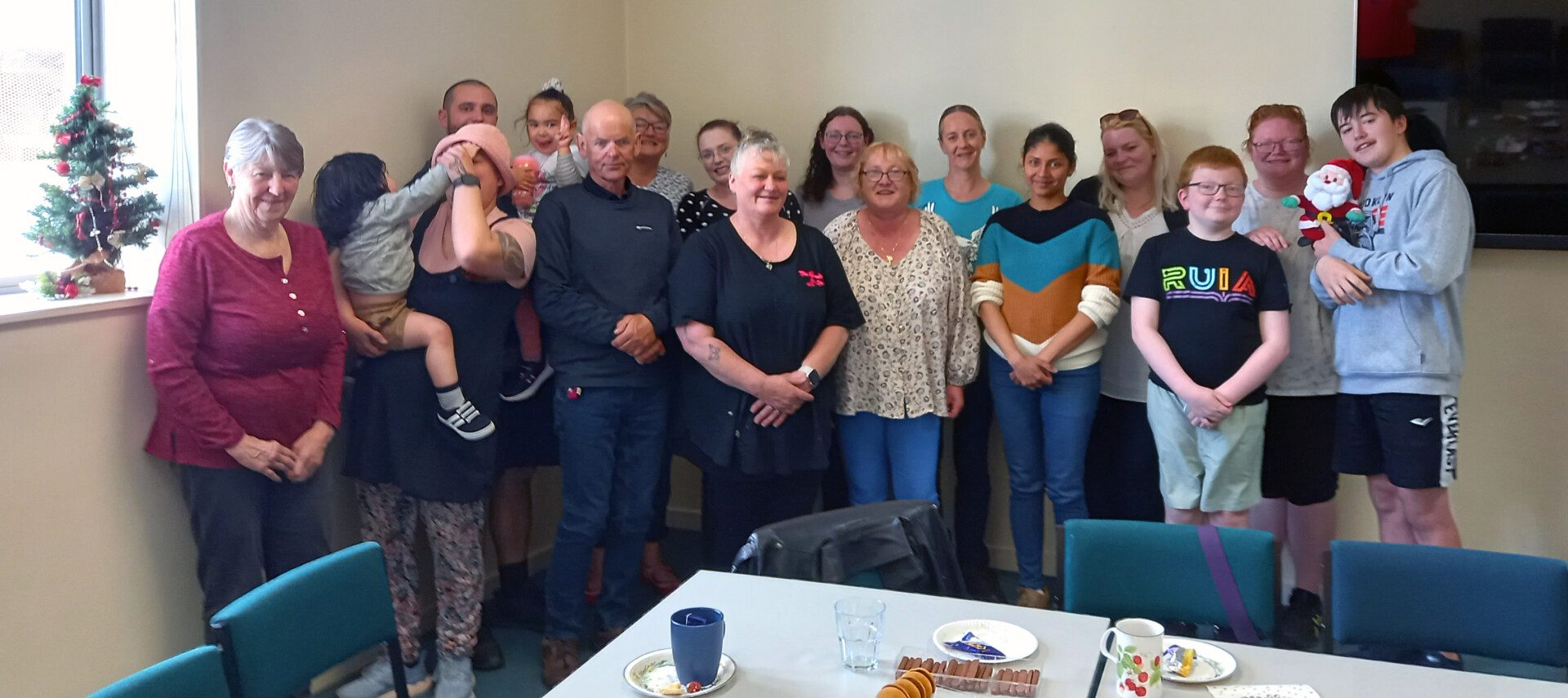
MaryAnn with one of her Southland Support Groups
From the start, I found Parent to Parent to be amazing. Even though I worked there, I could also ask our researchers for information and advice, which I immediately did, in relation to Bethany transitioning from primary school to secondary.
What other changes have you observed since 2006?
There has been a big change from the supports back then to what there is (or isn’t) now. I couldn’t fault it when Bethany was diagnosed.
The main thing is the waiting periods and the increase in awareness around and diagnosis of neurodiversity; ADHD as well as ASD. When Bethany was diagnosed, autism diagnoses for girls was quite rare; it was mainly boys. Now, it’s almost equal. Also, Bethany got to see a speech therapist immediately after diagnosis, nowadays that takes around two years, which is so hard, coming after the waiting period for the diagnosis itself.
I think there’s still a lot of ignorance about autism out there; a lot of people who think it’s behavioural. That seems to come up quite a bit. Although understanding has improved over the years, there’s a long way to go, isn’t there?
I’ll tell you about one thing that happened, which I was really impressed about when Bethany started at college. She had a wonderful teacher called John Smith, who came up to me once and said, “MaryAnn, I’ve noticed some behaviours, not very good behaviours from some of Bethany’s peers, and I want to try something. Do you trust me enough to just conduct an experiment?” I said, “Absolutely.”
What had been happening is they’d been mimicking her behind her back. She had this habit for a long time of skipping in the supermarket or doing these big flying leaps. Occasionally, she’d do these skips at school. The kids thought it was a bit weird and a bit of a laugh.
So, she went to school this day and on the whiteboard were all these famous people’s names, but Bethany’s name was on that list as well. Mr Smith said to them at the beginning of class, “All right, you know who all these people are”, and they’re going, “Yeah, that’s Albert Einstein and Steve Jobs etc.” Heaps of them. And he asked, “Why is Bethany’s name on there?” no one knew so he explained, “Because all these people are Autistic, and they went on to do great things. Bethany’s Autistic, and she’s going to go on to do great things.”
From then on, they backed off. And I remember at her year 13 prize giving, she got a standing ovation from her peers. So, it just takes a bit of education, and I think a lot of parents of children who haven’t got a disability, do need to educate their children to respect the kids that do.
Looking to the future, what are your priorities/aspirations?
Eventually we’d love her to be independent, but she’s not at that stage yet. We’ll do whatever we have to do. Take it slowly.
She got all these awards in her year 13 prize giving and scholarships to go to Otago Uni. For the first two years, she was in a hall of residence, and she was very happy there because she only had to focus on her schoolwork, without having to worry about food, cooking, cleaning, all that sort of thing. But in the third year, Disability Support Otago said she was too old to be there, so they organised a flat for her to go into. It was with five other people, and it wasn’t the right environment for her. After six months of her third year, she decided to come back home.
She masked everything, she’s very good at masking. We would see her every two weeks. She’d either come down on the bus, or I’d go and get her and bring her back, and she’d go back on the bus, or we would go up to her and stay the weekend. But she didn’t tell us what was really going on. The five people in this flat weren’t kind to her; they isolated her, bullied her, and she spent most of the time in her room.
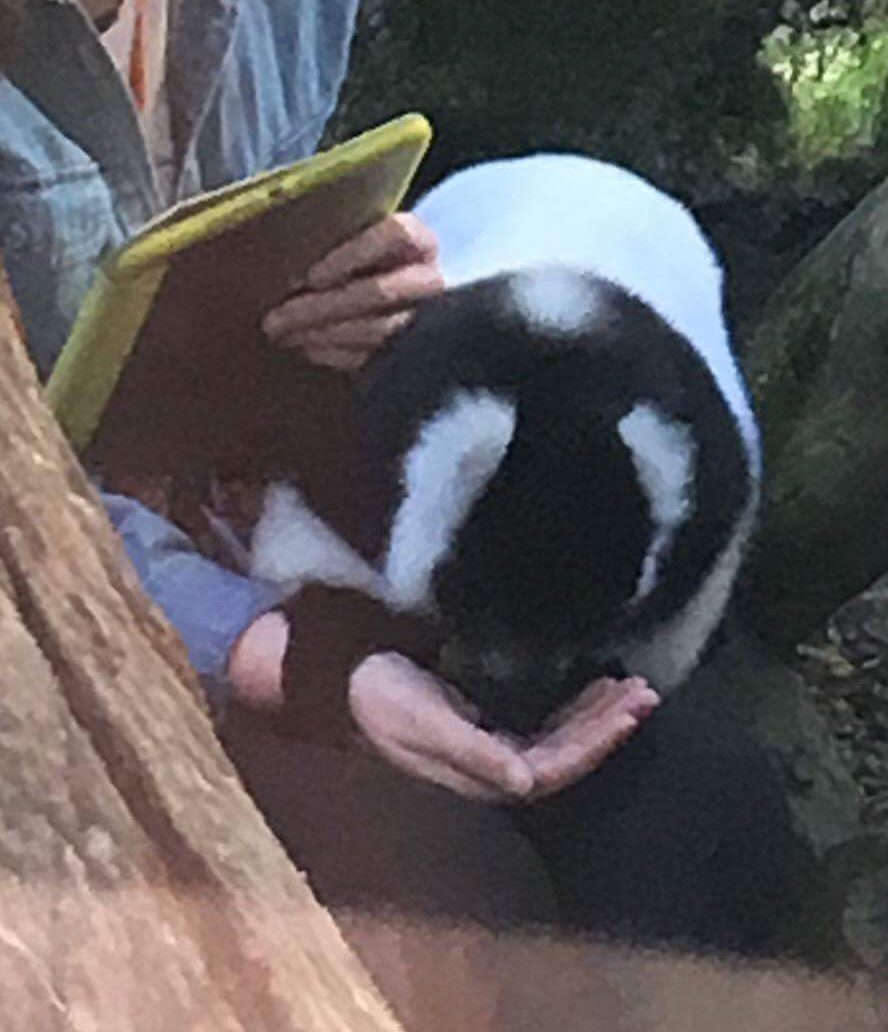
Bethany feeding a black and white ruffed lemur
We spoke to disability support services, but we didn’t get much support from them. So at home she took six months out to recover, and then we took her along to SIT, and she was able to cross-reference her degree. Hence, that’s why she’s finishing it there. She’s now in her last year of study at SIT, doing a three-year degree that’s taken six, but that’s all right. She’s just doing it part time because that’s all she could cope with. Hopefully, next year she’ll come out with a degree in environmental management. She’s very passionate about the environment; loves animals, especially birds. One of the things we used to do all the time in the UK was go to the bird sanctuaries – owls were particularly her thing. But if you ask her about any bird in the world, she can tell you what their names are and all about them.
We wanted her to get her driver’s licence because that’s another form of independence. We went through a service down here called Drive My Life, and she got her learners, and they started her on her restricted, but she gets too anxious to drive a car. I’ve said to her, if you want to get a job somewhere like DOC, you’re going to have to get your licence. So, there’s a new service down here, a driving school that deals solely with neurodivergent people to help them get their licence, which we’re going to investigate when she’s ready.
Looking back on the past two decades, what have you learned that changed everything or had a massive impact on you?
I think trying to not to let people’s opinions upset me, not let their judgement affect me. Just focus on my child and see the positives rather than the negatives. Don’t let people bring me down: they can think what they like, but we know her. I think it’s brought me and Peter much closer as well. She’s our number one priority, we want to be totally 110%, there for her.